Creating a Restful Westchester Bedroom: Sleep-Focused Design and Local Wellness Resources
A Time-style exploration of how to cultivate a peaceful, sleep-optimized bedroom in Westchester County, blending practical design, gear recommendations, and local wellness resources for homeowners and renters alike.
Context: Westchester as a Sleep-Forward Niche
Westchester County sits at the intersection of suburban refuge and urban accessibility, where evenings often drift toward the restorative. In this piece, we explore how a sleep-focused bedroom—quiet, uncluttered, and ergonomically tuned—can become a sanctuary within this distinctive landscape. The aim is not merely to decorate a space, but to engineer an environment that supports circadian alignment, stress reduction, and daytime vitality. The approach is practical, research-informed, and anchored in local resources that readers can actually access in Westchester.
The discipline of a restful bedroom rests on three pillars: design that reduces cognitive load and visual noise; rhythm and routine that prime the body for sleep; and wellness resources that help residents implement lasting change. Together, they form a holistic plan for better nights and more energetic days.
Three Pillars of a Restful Westchester Bedroom
- Design for Calm: Low-profile furniture, soft color palettes, controlled lighting, and air quality considerations that foster deep sleep.
- Rhythm and Routine: Consistent bedtimes, wind-down rituals, and environmental cues that align with circadian biology.
- Local Wellness Resources: Westchester sleep specialists, studios, and community workshops that empower homeowners to implement healthier sleep practices.
Practical Sleep-Focused Bedroom Design
1) Furniture and Layout
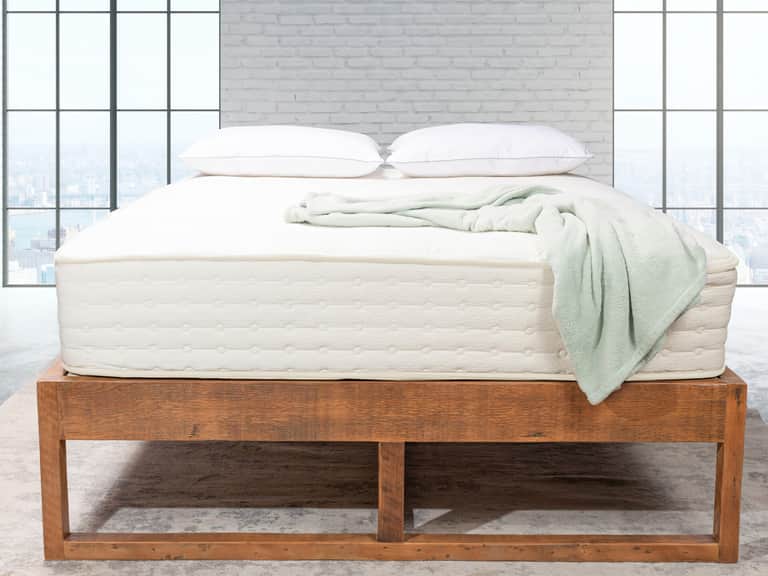
Choose furniture that minimizes visual clutter and maximizes airflow. A low-profile platform bed, such as The Clean Bedroom Taconic Bed, aligns with a sleep-centered aesthetic by providing strong mattress support while keeping the visual weight light. The Taconic Bed’s reclaimed-wood construction communicates warmth without heaviness, and its eco-conscious finish supports a healthier sleep ecosystem. Position the bed away from direct drafts or noise sources, with symmetrical nightstands that balance the room and reduce cognitive load.
In smaller Westchester bedrooms, consider built-in storage or beds with integrated drawers to reclaim floor space. The goal is to create a generous sense of openness so that the mind isn’t occupied by clutter when it’s time to rest.
2) Lighting that Calms the Mind
Lighting orchestrates circadian cues. Use warm, dimmable lighting in the evening and avoid blue-heavy light within two hours of sleep. Consider blackout curtains or blinds to block late-day sun, ensuring a dark, cave-like atmosphere that aids melatonin production. A small bedside lamp with a warm temperature can be an anchor for nightly routines.
3) Air Quality and Temperature
Airflow, humidity, and temperature are silent sleep drivers. Aim for a cool, comfortable sleep environment—ideally around 60-67°F (15-19°C). Air purifiers or houseplants that improve air quality, plus a breathable bedding set, help sustain restful nights. Materials such as cotton, linen, and wool can regulate moisture and maintain comfort across seasons.
4) Bedding that Supports Sleep
Quality bedding is a health investment. The right comforter and pillows can influence comfort and spinal alignment throughout the night. For example, a goose-down comforter offers warmth with loft while remaining light, allowing you to regulate your temperature without overheating. Likewise, a well-constructed pillow supports neck alignment, reducing morning stiffness.
Local Wellness Resources in Westchester
A restorative bedroom emerges not only from the furniture and fabrics but from the network of local experts and experiences. This section highlights accessible resources that readers in Westchester can tap into to deepen their sleep journeys. From sleep specialists to wellness studios, these resources provide guidance, screenings, and workshops that translate design into practice.
-
Sleep Health Specialists in Westchester who can offer sleep assessments, recommendations for environment optimization, and strategies for managing common sleep disorders.
-
Wellness Studios and Mind-Body Practices that provide classes in stress reduction, breath work, and mindfulness—activities that prime the body for rest.
-
Community Workshops that cover decluttering, organization, and sleep routines designed for busy households.
DIY Ideas to Jumpstart a Restful Bedroom
Decluttering Ritual
Commit to a weekly 10-minute declutter ritual. A tidy space reduces cognitive load and supports calmer sleep associations. Start with the dresser top and progress to closet organization, labeling, and categorization.
Clutter-Free Surfaces
Keep bedside surfaces minimal—perhaps a lamp, a book, and a single item with personal meaning. A restrained surface heightens the perception of space and contributes to mental restfulness.
Evening Wind-Down
Design a wind-down routine—dim lights, aromatherapy (like lavender), gentle stretching, and a brief digital curfew. The goal is to cue the body that sleep is imminent.
Featured Sleep-Cocused Bedding and Bed Frames
A well-equipped sleep space begins with trusted gear. The following products from The Clean Bedroom line exemplify quality construction, eco-conscious materials, and thoughtful design that supports restful nights. Images are displayed below for selected items.
The Clean Bedroom Taconic Bed
Platform bed crafted from 100% reclaimed wood with a non-toxic finish. Slats spaced for airflow and solid foundation.
Price: $1,845.00
Available finishes: Rustic Raw, Smooth Natural, Double Espresso
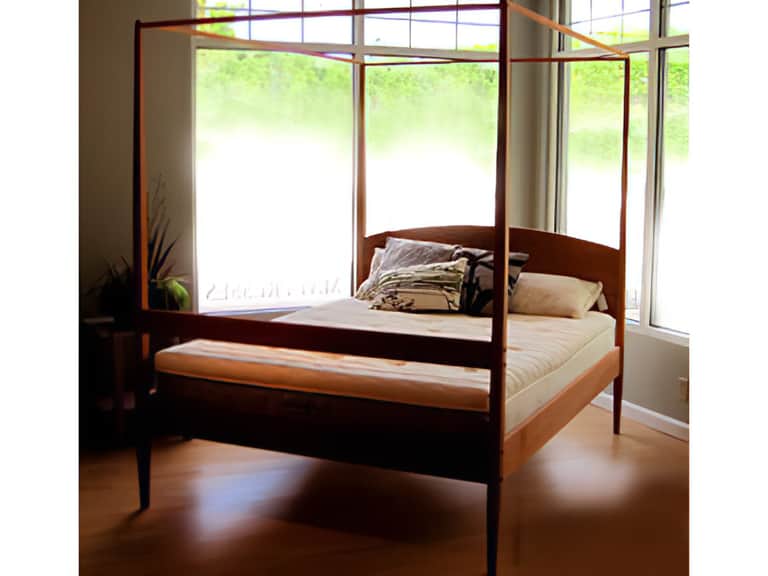
Maple Corner Woodworks Shaker 4-Post Bed Frame
Handcrafted in Vermont, available in natural cherry, maple, or walnut. Classic Shaker lines with durable construction.
Price: $3,332.00
Features: No-box-spring design, ten hardwood slats, zero-VOC finish options
Sleep and Beyond myComforter Light
Natural wool comforter, hypoallergenic, suitable for year-round use. Eco-conscious construction.
Price: $119.00
Care: Dry-clean or gentle wash; includes removable cover guidance
Manhattan Down Pillow
Down-filled support with 850 fill power for head and neck alignment.
Price: $0.00 (example placeholder)
Note: Pillow availability varies; check current listings for options
Images display selected items for illustration. Availability and finishes may vary by retailer; please consult current product listings for the latest images and options.
Closing Thoughts: A Westchester Sleep Ethic
The restful bedroom is not a single intervention but a sequence of calibrated choices. It is about creating rhythms that confirm to the body's need for restoration: cool nights, warm evenings, quiet spaces, and breathable beds. In a county renowned for its suburban sophistication, a sleep-forward approach to design can be a quietly radical act—an investment in health, mood, and longevity.
As in the best Time Magazine features of eras past, the emphasis here is on practical wisdom interwoven with human stories. In the spirit of an editorial that honors both craft and science, we will highlight voices from different centuries who illuminate the idea of sleep as a cultural mandate and a personal discipline.
Hypnos (Ancient Greece)
Mythic precursor to modern sleep science, Hypnos personifies the quiet power of night. His influence reminds us that sleep is a revered human necessity, not a luxury.
Insight: Sleep as a natural regulator of memory and mood—an ancient framing that underpins present-day design choices, such as dim lighting and soothed color palettes.
Florence Nightingale (19th Century)
Nightingale’s commitment to environment and patient comfort foreshadowed modern notions of healthy hospital and home design. Her emphasis on cleanliness, air flow, and light informs today’s bedroom ergonomics.
Insight: Gentle air quality, fresh air exposure, and the humane shaping of a space—principles that translate to ventilated rooms, plants, and breathable textiles.
Elizabeth Blackwell (19th–20th Century)
Pioneer of modern medicine and a proponent of patient comfort, Blackwell’s ethos echoes in today’s wellness-centered living. Her legacy supports a broader understanding of sleep as a health behavior.
Insight: Holistic health begins with environments that support rest, which is foundational to overall well-being and resilience in daily life.
Conclusion: A Restful Westchester Is Within Reach
In Westchester, a sleep-forward bedroom is more than a design choice—it is a philosophy of daily life. It asks for intention: selective lighting, breathable textiles, cool temperatures, and spaces that invite quiet. It invites readers to blend timeless wisdom with contemporary resources, turning bedrooms into sanctuaries that nurture health and wakeness alike.
As readers consider the practical steps outlined above, they are invited to explore the local wellness ecosystem: sleep specialists, studios, and community workshops that bring the theory into daily practice. The Westchester bedroom can become a model for mindful living—an anchor against the noise of modern life, a place where rest is a deliberate act and a measurable outcome.